

en
en
Are you planning to equip a new cardio zone or replace the machines in your currentone? In the commercial segment, reliability is not a luxury – it is aprerequisite for your business's profitability. Every single day of equipment downtime generates losses and leads to member frustration.
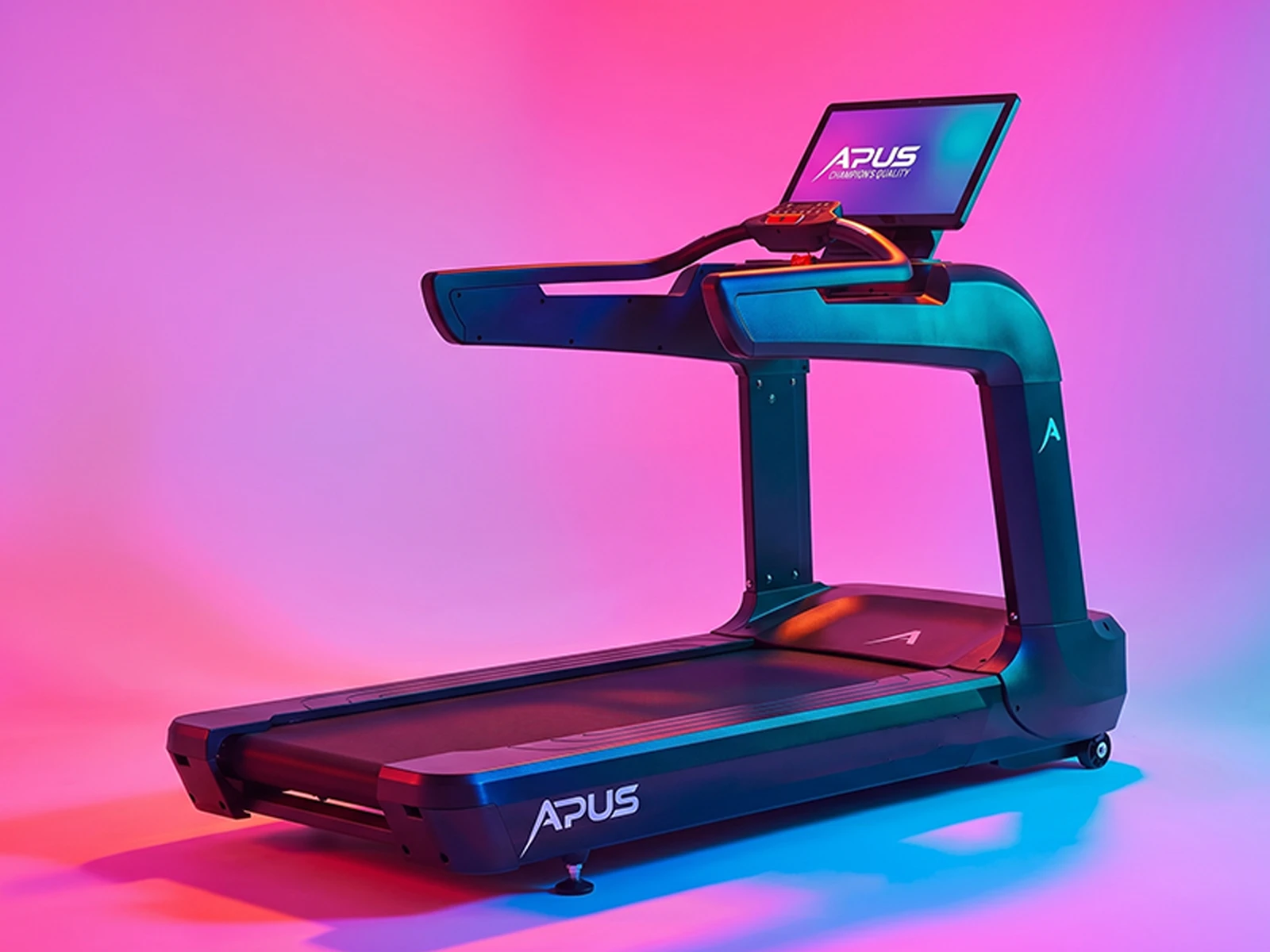
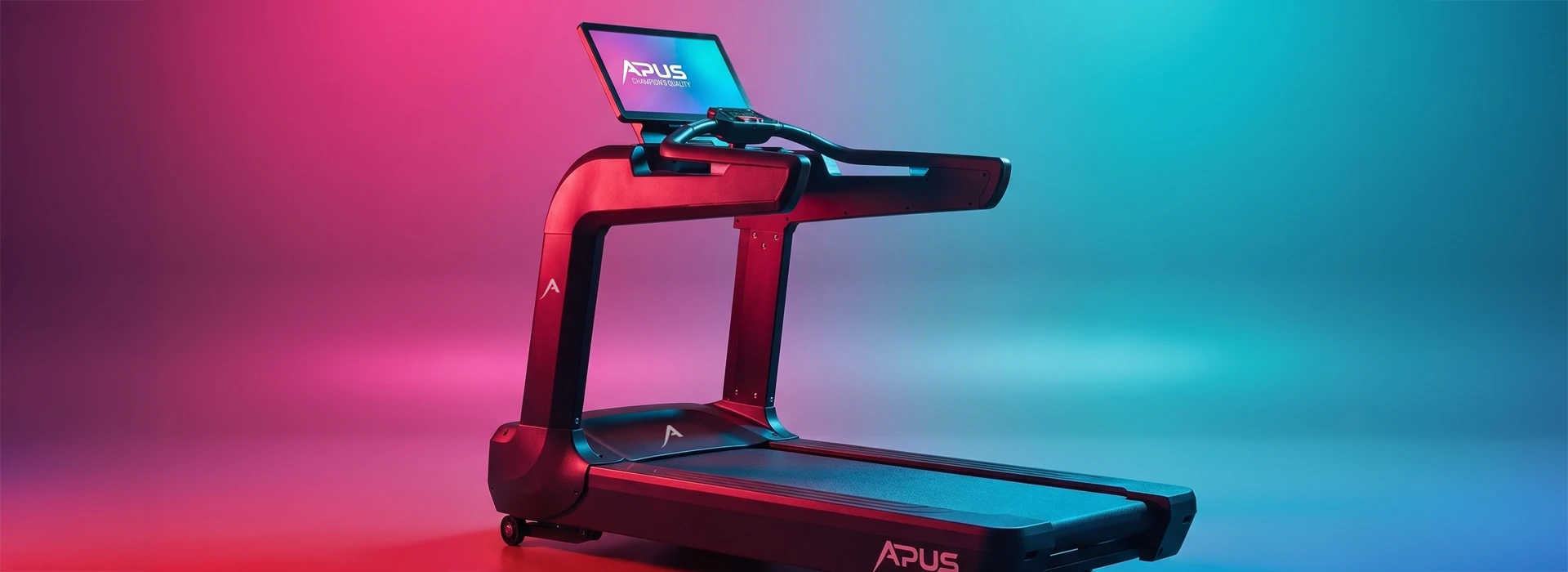
In this practical guide, we answer the most critical questions from investors regarding two flagship APUS treadmill models: the RT8 LCD and the RT5 LED. Discover which treadmill best meets the specific needs of your facility.
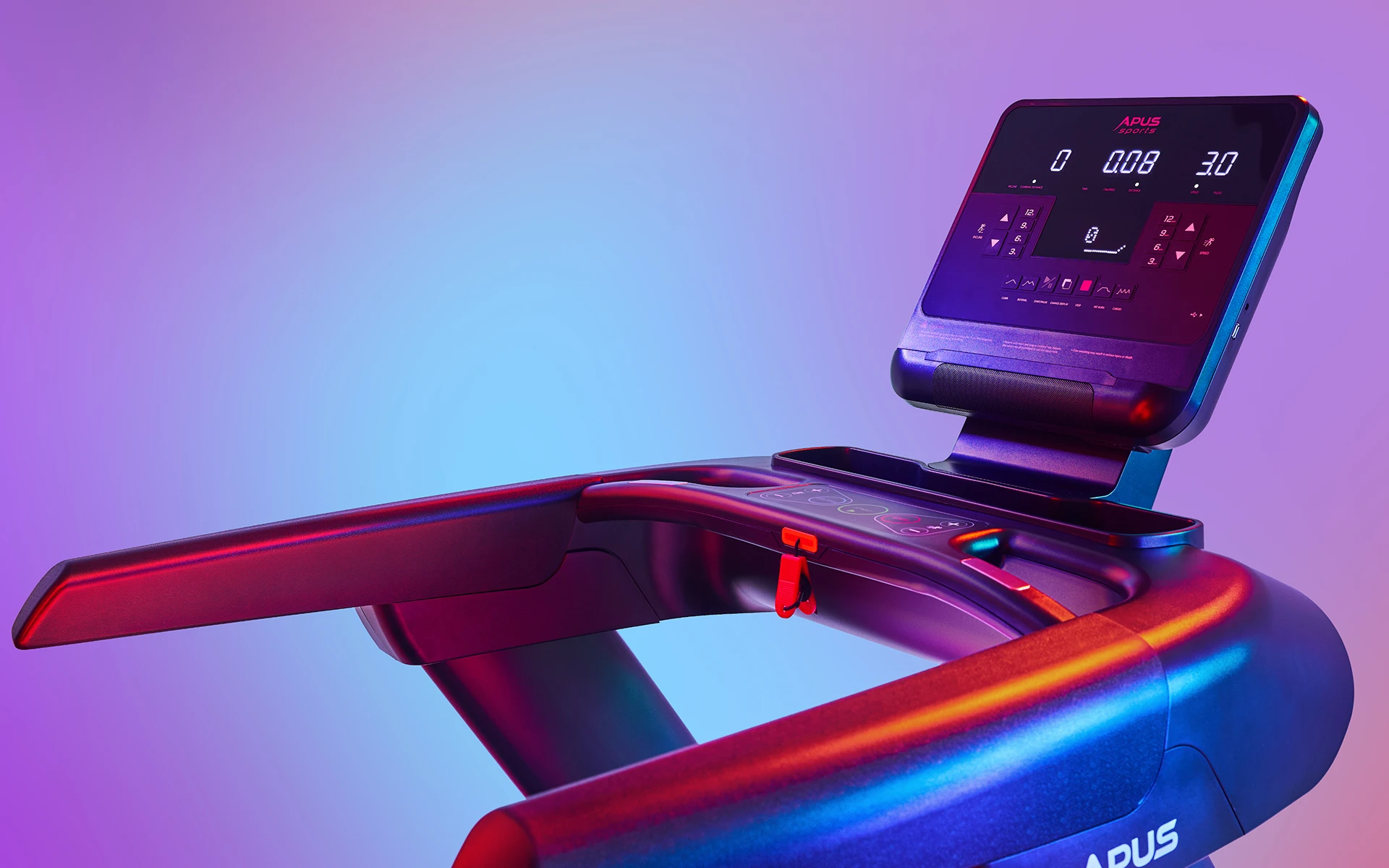
Although both models share the exact same rugged, heavy-duty mechanical structure, they differ in console technology and running performance metrics:
Both the RT8 and RT5 models are driven by an uncompromising AC motor with 3HP continuous duty power (and an impressive peak output of 7HP).
Incommercial environments (gyms, hotels), Alternating Current (AC) motors are anabsolute industry standard. Unlike Direct Current (DC) motors used in homefitness gear, the commercial AC motors utilised in APUS machines deliver:
The choice of user interface depends entirely on your business model and your operational setup:
Choose the APUS RT8 (LCD Screen) if:
You operatea modern, premium fitness club or a five-star hotel. The massive 23.8" LCDscreen is a true eye-catcher that elevates the prestige of your cardio zone. It allows members to fully monitor advanced training metrics and gives them seamless access to multimedia features.
Choose the APUS RT5 (LED Screen) if:
You manage an unstaffed 24/7 gym, a mid-sized hotel, or a personal training studio. The18.5" LED console removes any risk of confusing navigation – users simply step onto the treadmill, press "Start", and run. The absence of a touchscreen also significantly minimises the risk of accidental mechanical damage or software glitches.
Yes, absolutely. Both models offer one of the largest running surfaces available onthe commercial market: 590 x 1550 mm.
The generous belt width of 59 cm significantly improves safety and stride confidence, particularly at peak interval speeds or when the runner is heavily fatigued. This setup ensures a comfortable workout for runners of all heightsand body types, without the constant worry of accidentally stepping onto the side frame covers.
The RT5 andRT8 treadmills weigh an impressive 216 kg net (with a gross packaging weight of up to 298 kg), and they boast a maximum user weight capacity of 180kg.
For a club manager, this substantial weight is a vital indicator of build quality:
The Principle of Stability: Heavy equipment perfectly absorbs the impact energy generated when feet strike the deck. This means the entire structure remains completely free from micro-vibrations. A stable frame drastically extends the life span of internal electronics, belts, and bearings, which directly lowers the Total Cost of Ownership (TCO) and significantly reduces maintenance expenses.